Why Michigan's Performance Heritage Still Sets The Benchmark

Decades of high-performance engineering left the state with institutional knowledge no upstart can replicate overnight. That legacy is a competitive weapon.
Speed has a history in Michigan, and history turns out to be hard to copy. Decades spent engineering high-performance vehicles left the state with deep institutional knowledge — a bench of engineers, suppliers, and test facilities that gives Michigan an edge no newcomer can conjure overnight.
Knowledge that compounds
Performance engineering is cumulative. Every generation of fast cars taught lessons about aerodynamics, cooling, materials, and durability that live on in the people and companies that learned them. Michigan's performance heritage is really an unbroken chain of that knowledge, passed down and refined rather than rediscovered.
"You can hire smart people anywhere," said powertrain engineer Roland Estes. "You can't hire fifty years of knowing why the last idea failed."
The modern edge
That accumulated know-how has become a quiet competitive weapon in an industry racing to build faster electric and hybrid performance cars. Startups with money but no history keep learning expensive lessons that Michigan's veterans internalized generations ago. The state's performance legacy isn't a museum piece — it's a working advantage, and it's part of why serious performance work still gravitates back toward Michigan.
More in Automotive & Motors
 Automotive & Motors
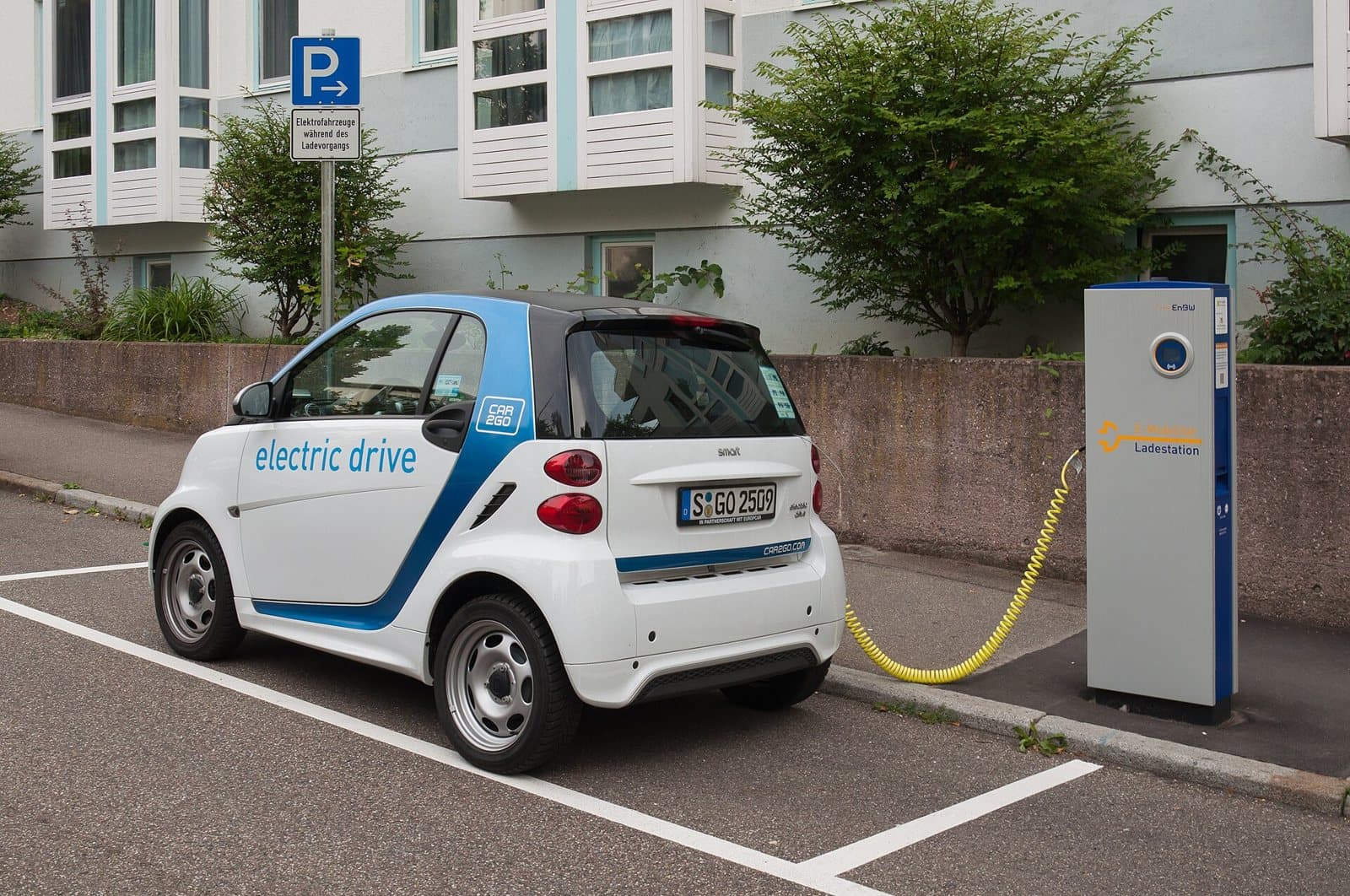
EV Sales Slump Forces Michigan's Automakers To Hit The Brakes
Electric-vehicle sales fell sharply through September, and the pullback is rippling through Michigan's plants, payrolls, and investment plans.
 Automotive & Motors
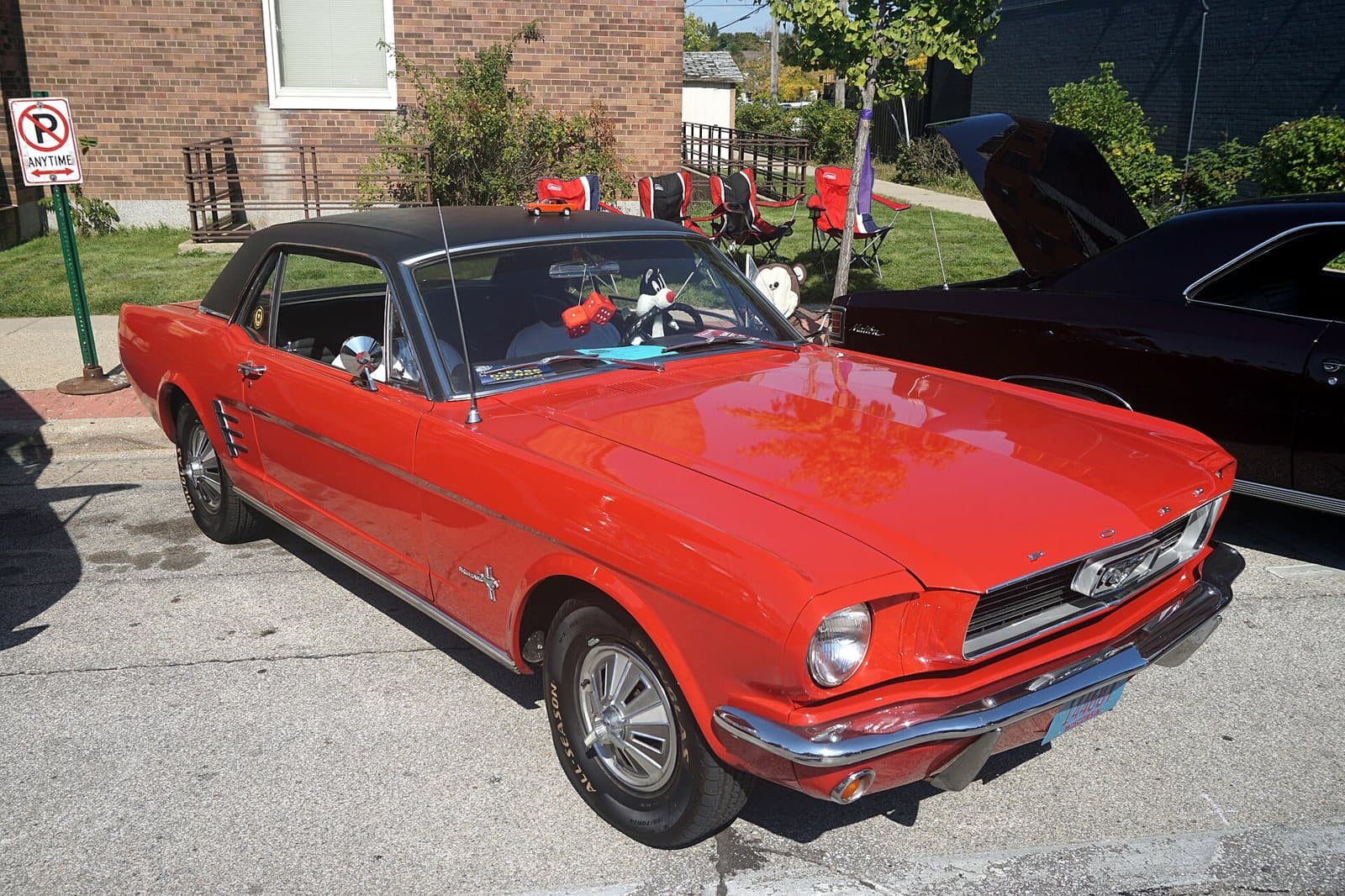
Mustangs And Broncos Steal The Show At Woodward 2026
Beyond the main cruise, two of Ford's most beloved nameplates turned Ferndale into a pilgrimage site during the 2026 Dream Cruise.
 Automotive & Motors
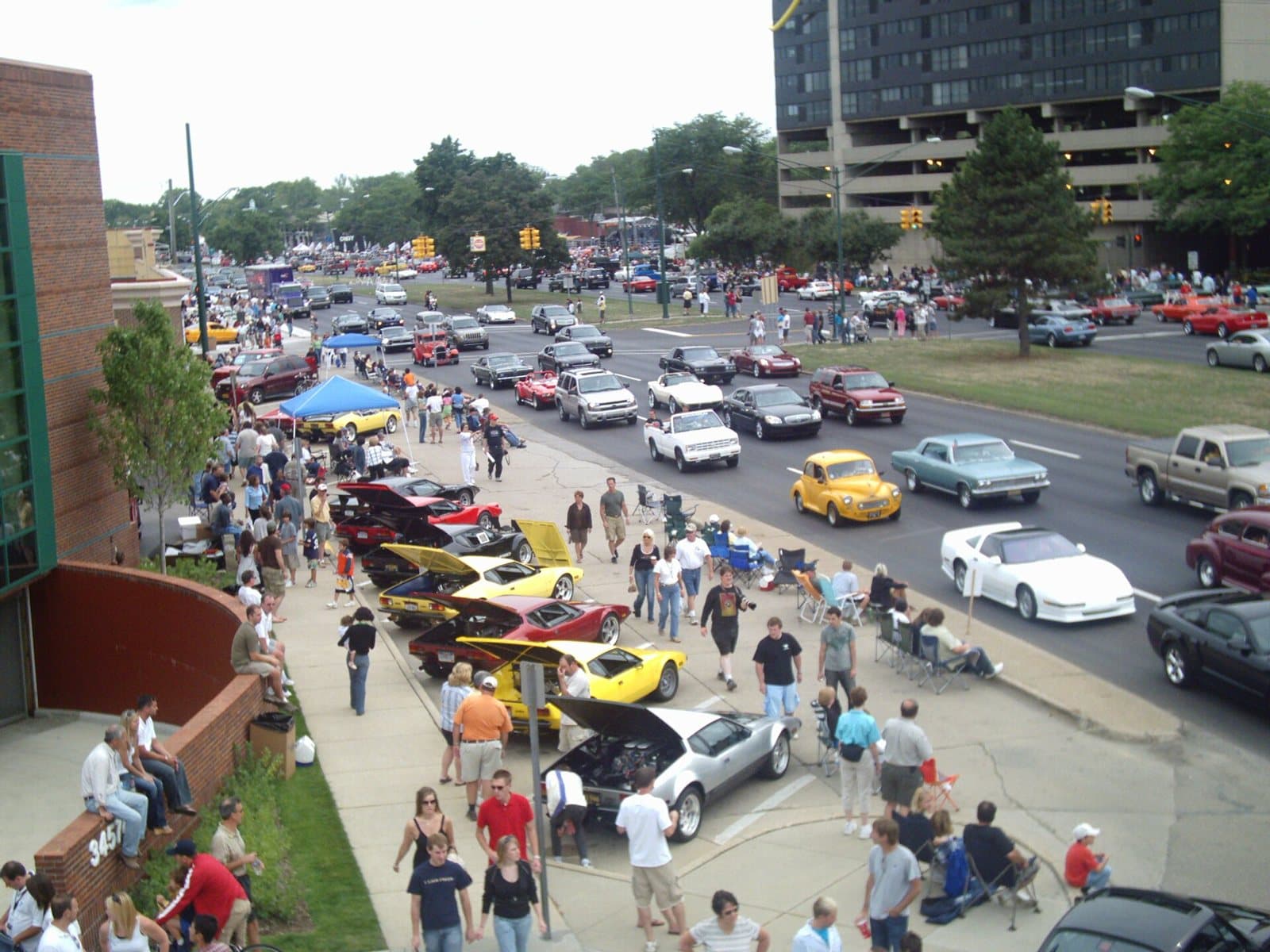
A Million Strong: The 2026 Woodward Dream Cruise Rolls Again
Metro Detroit's signature celebration of car culture took over Woodward Avenue on August 15, drawing an enormous crowd and a river of chrome.