Who Really Pays For Michigan's Sports Palaces?

Gleaming new stadiums promise economic transformation. The evidence on whether they deliver for the communities that fund them is far messier.
Every new stadium arrives wrapped in promises — jobs, tourism, neighborhood revival, civic pride. Michigan has built its share of gleaming sports palaces on those promises, and as the bills come due, a harder question follows: who actually pays, and what do they get back?
The economic pitch
The case for public investment in stadiums is always the same: the venue will anchor development, draw visitors, and generate tax revenue that justifies the subsidy. Team owners and boosters make it persuasively, and cities eager for a win often say yes. The trouble is that the rosy projections rarely survive contact with independent economists.
"Stadiums are great civic amenities," said urban economist Dana Roth. "They're usually terrible public investments. Those are different things."
The neighborhood reality
The evidence from Michigan and elsewhere suggests the promised economic transformation is inconsistent at best — some districts thrive, others see the money concentrate in the venue itself while surrounding neighborhoods gain little. Fans get their team a home; taxpayers get a mixed bag. As the next round of stadium proposals inevitably arrives, the state's experience is a case study in reading the fine print before the ribbon is cut.
More in Sports
 Sports
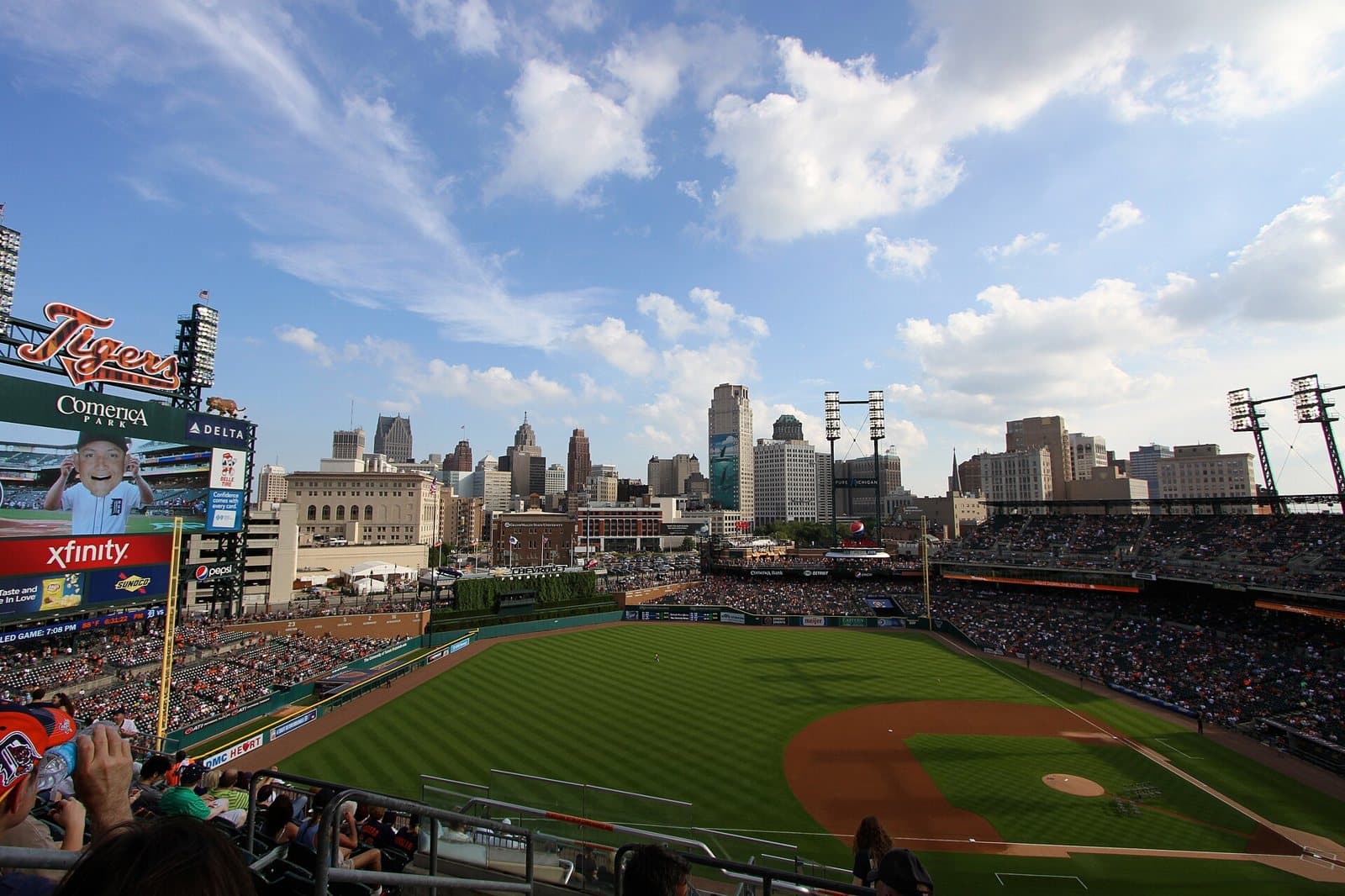
The Tigers' Season Unravels Down The Stretch
After years of progress, Detroit's baseball team stumbled to a losing record and an early elimination, ending a disappointing 2026 at Comerica Park.
 Sports
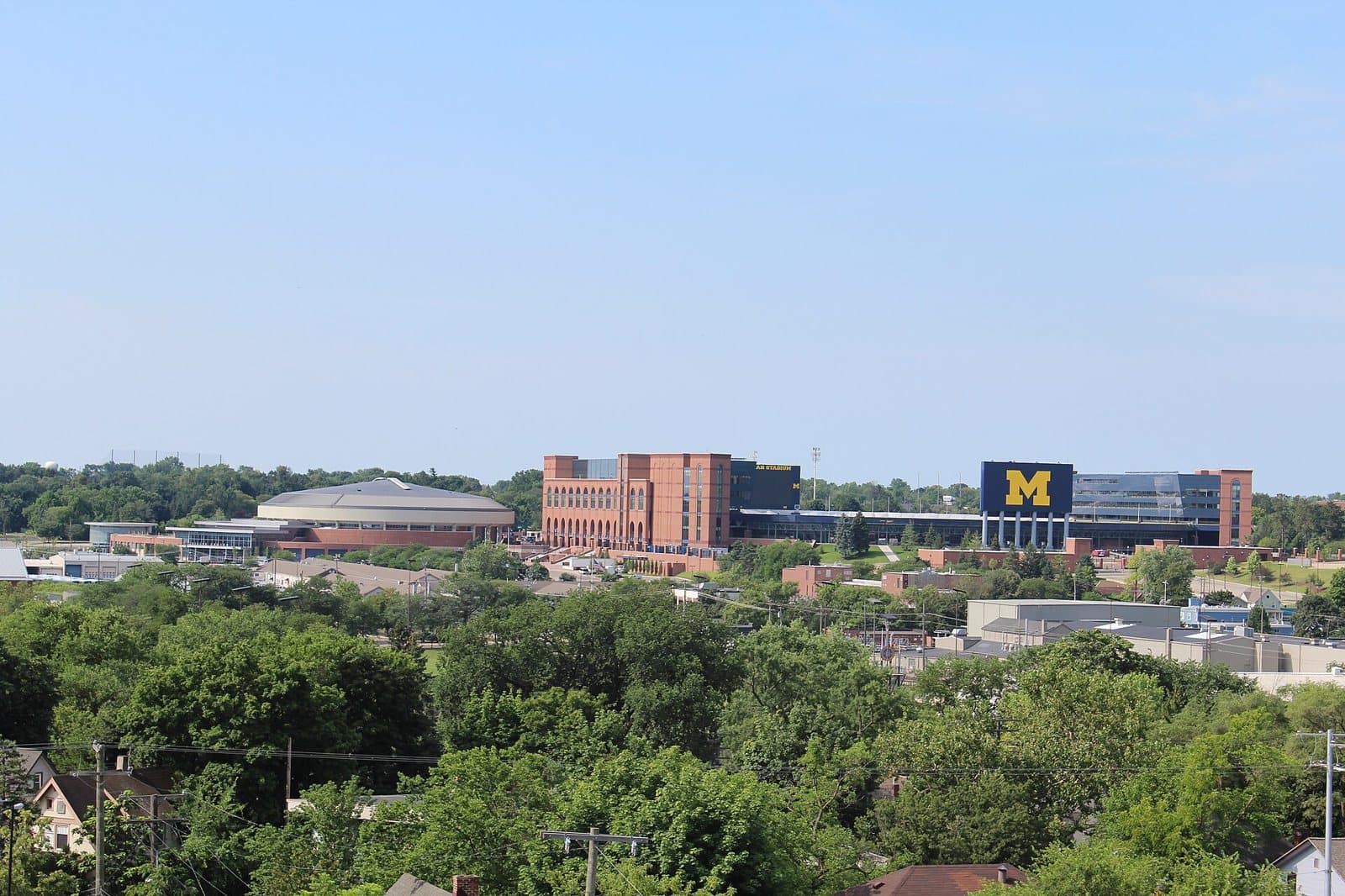
Hail Marys And Heartbreak: Michigan's Wild September
The Wolverines opened the season with a miracle finish and a signature win over Oklahoma before stumbling at home against Iowa.
 Sports
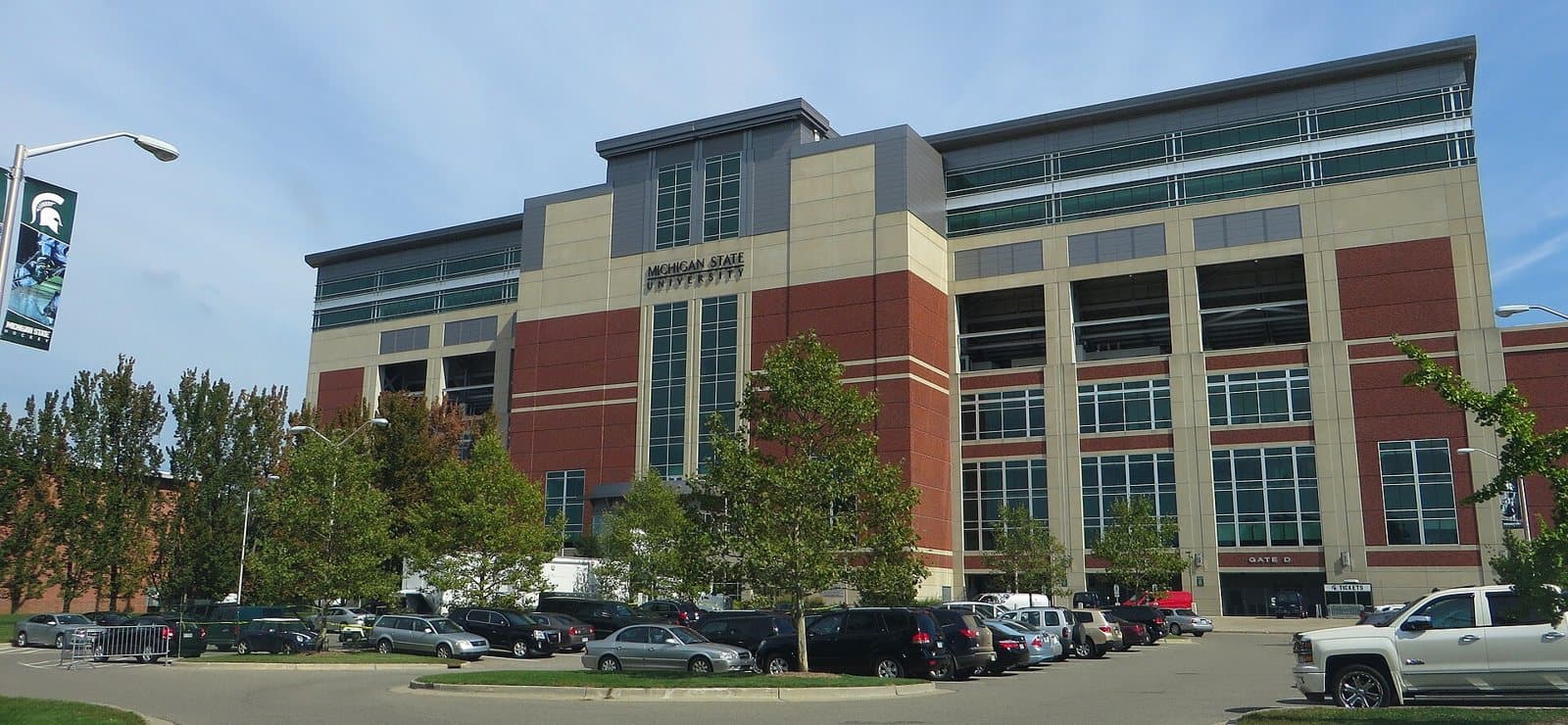
Fast Start, Hard Fall: The Spartans' September Reality Check
Michigan State opened the season 2-0 before a brutal stretch against ranked competition exposed how far the program still has to climb.