What The Assembly Line Worker Becomes In The Electric Era

Building an electric vehicle takes different skills — and, in some cases, fewer hands. Michigan's autoworkers are navigating the most uncertain transition in generations.
The autoworker has been Michigan's defining job for a century, and the electric transition is quietly rewriting what that job is. Building an electric vehicle requires a different mix of skills — and, for some tasks, fewer people — leaving the state's assembly workforce facing its most uncertain shift in generations.
Fewer parts, different work
An electric drivetrain has far fewer moving components than a gas engine, which changes the work on the floor. Some traditional tasks vanish; new ones — battery assembly, high-voltage systems, software integration — take their place. The net effect on headcount is hotly contested and plant-specific.
"The job isn't disappearing, it's mutating," said union representative Carla Doyle. "The fight is over who gets retrained and who gets left."
The stakes
For Michigan, the outcome is existential. The autoworker's wage built the state's middle class, and whether the electric era preserves that bargain or erodes it will shape communities far beyond the plant gates. Workers are watching contract negotiations and retraining programs closely, aware that the transition's fairness — not just its speed — will decide what kind of Michigan comes out the other side.
More in Automotive & Motors
 Automotive & Motors
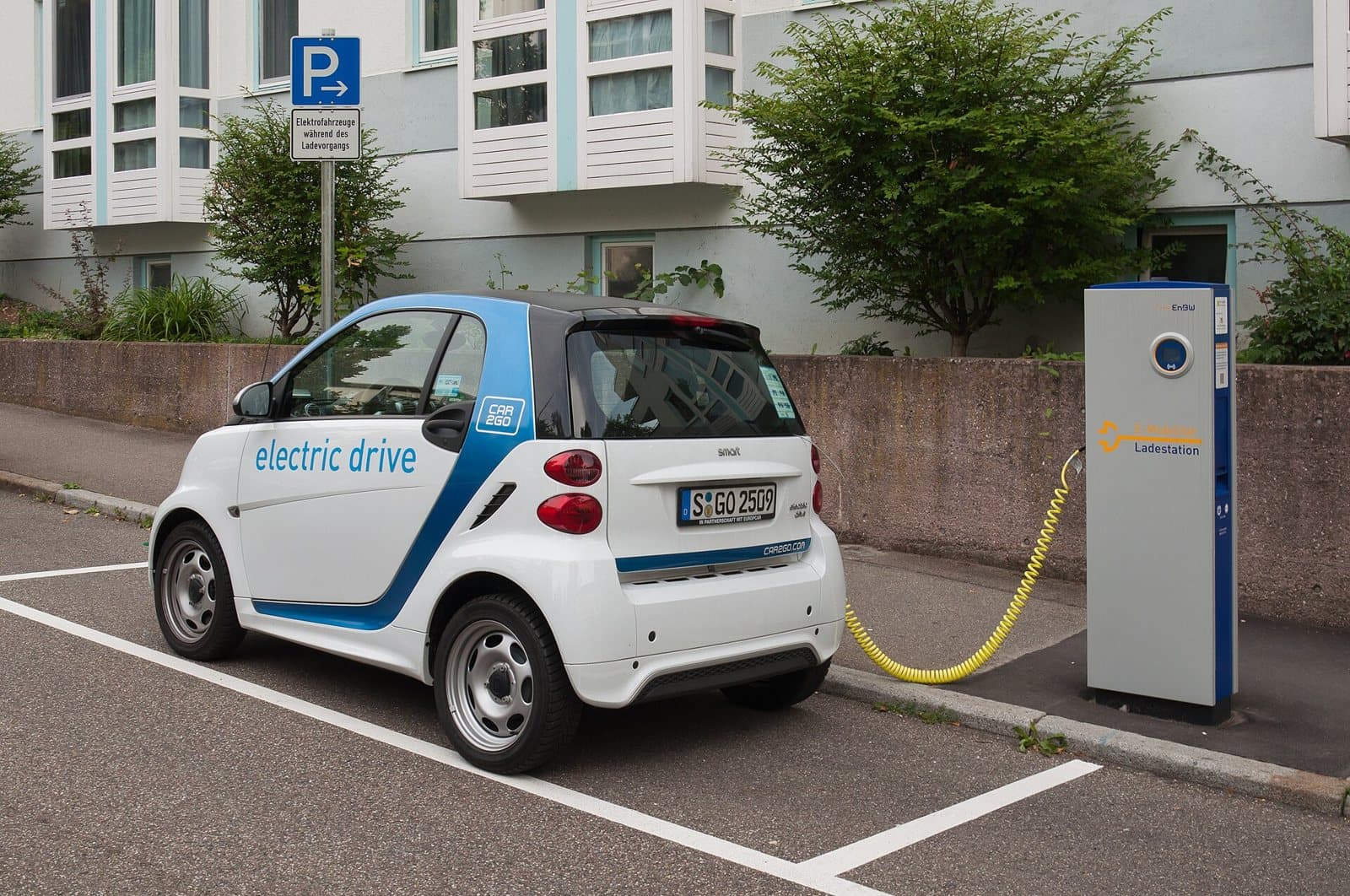
EV Sales Slump Forces Michigan's Automakers To Hit The Brakes
Electric-vehicle sales fell sharply through September, and the pullback is rippling through Michigan's plants, payrolls, and investment plans.
 Automotive & Motors
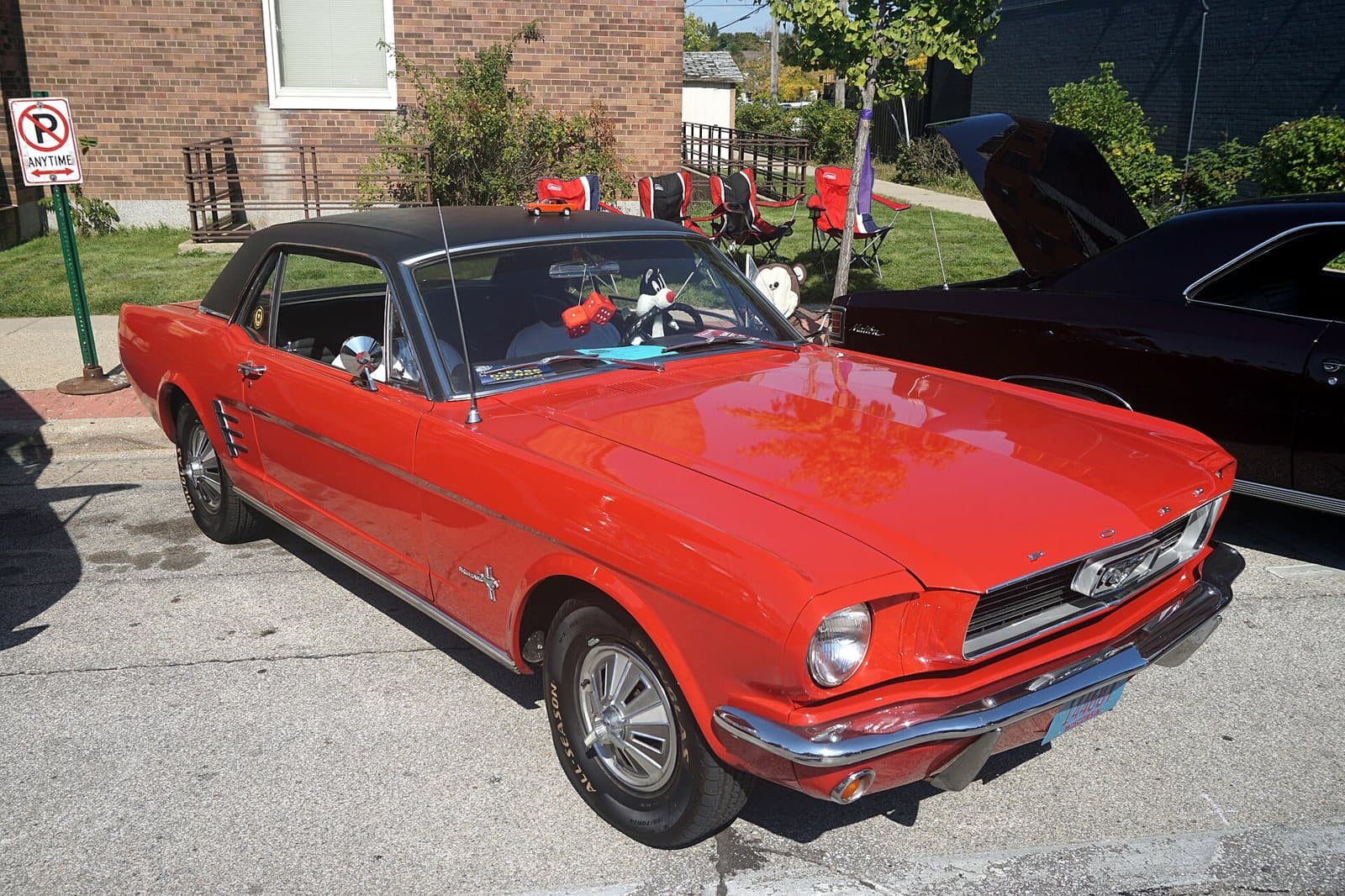
Mustangs And Broncos Steal The Show At Woodward 2026
Beyond the main cruise, two of Ford's most beloved nameplates turned Ferndale into a pilgrimage site during the 2026 Dream Cruise.
 Automotive & Motors
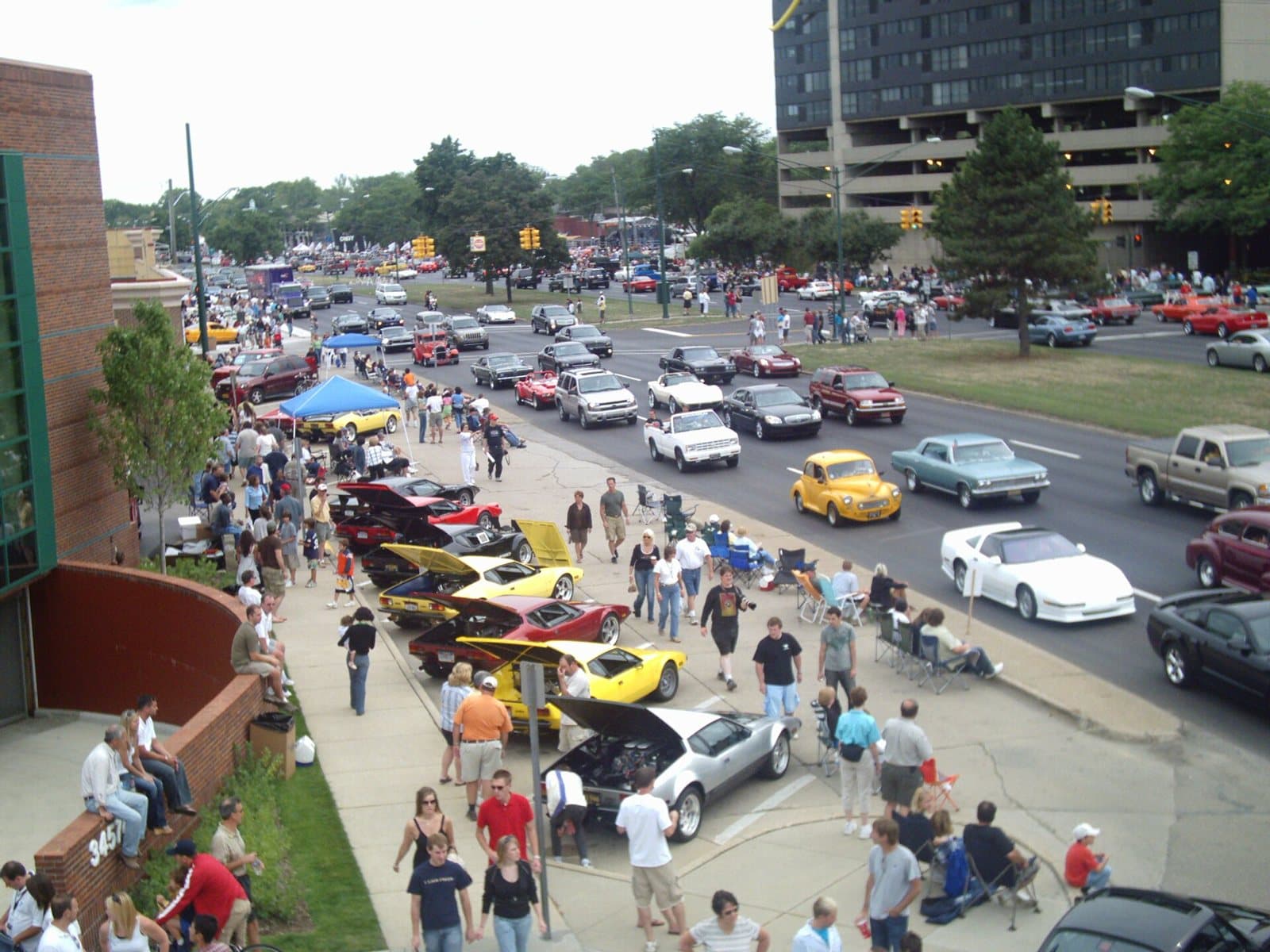
A Million Strong: The 2026 Woodward Dream Cruise Rolls Again
Metro Detroit's signature celebration of car culture took over Woodward Avenue on August 15, drawing an enormous crowd and a river of chrome.