Tourism Is Becoming One Of Michigan's Most Serious Industries

Record visitor spending on the state's lakes, trails, and cities is turning a seasonal pastime into a year-round economic pillar.
Michigan has always drawn visitors to its lakeshores and forests. What's new is the scale — and the seriousness with which the state now treats tourism as an economic engine rather than a summer afterthought. Visitor spending hit record levels over the past year, spreading well beyond the traditional peak weeks.
Beyond the summer
The most consequential shift is seasonal. Investment in winter sports, culinary tourism, and city-based events has stretched the visitor calendar deeper into the shoulder seasons, smoothing the brutal peaks and troughs that once made tourism jobs unstable.
"You can't build a career on twelve good weeks," said tourism board director Renata Hollis. "You can build one on a season that runs most of the year." That extension has made hospitality a more viable long-term employer across northern Michigan and the lakeshore towns.
The balancing act
Success brings strain. The most popular destinations now wrestle with crowding, housing pressure for seasonal workers, and the wear of heavy foot traffic on natural areas. The state's challenge is to grow the industry without loving its landscapes to death — a problem many regions would envy, and one Michigan is only beginning to manage.
More in Finance & Economy
 Finance & Economy
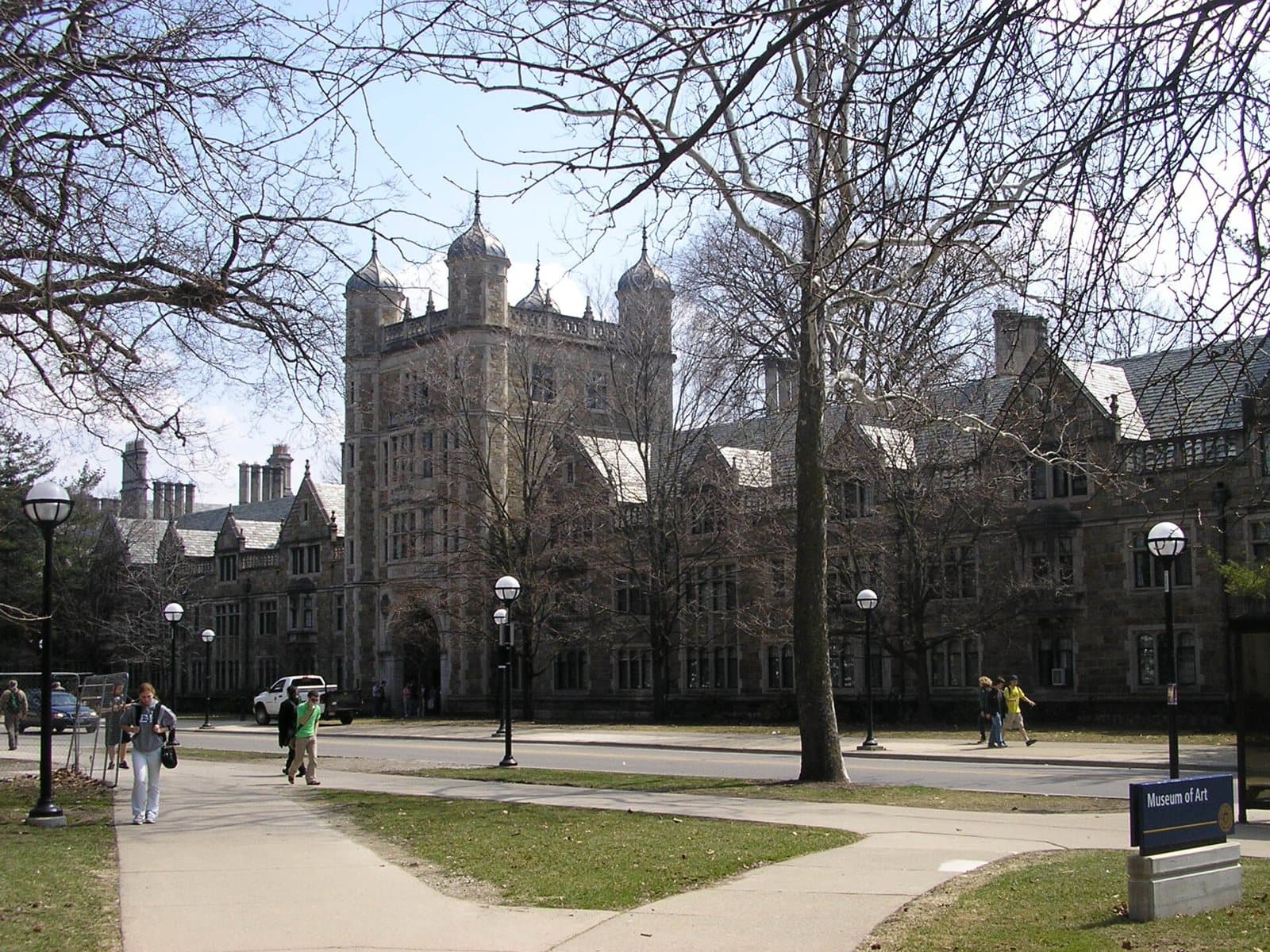
U-M Economists See A Flat Year For Michigan, Then A Rebound
The University of Michigan's latest forecast projects barely any job growth in 2026 and a shrinking factory sector — but a stronger 2027 ahead.
 Finance & Economy
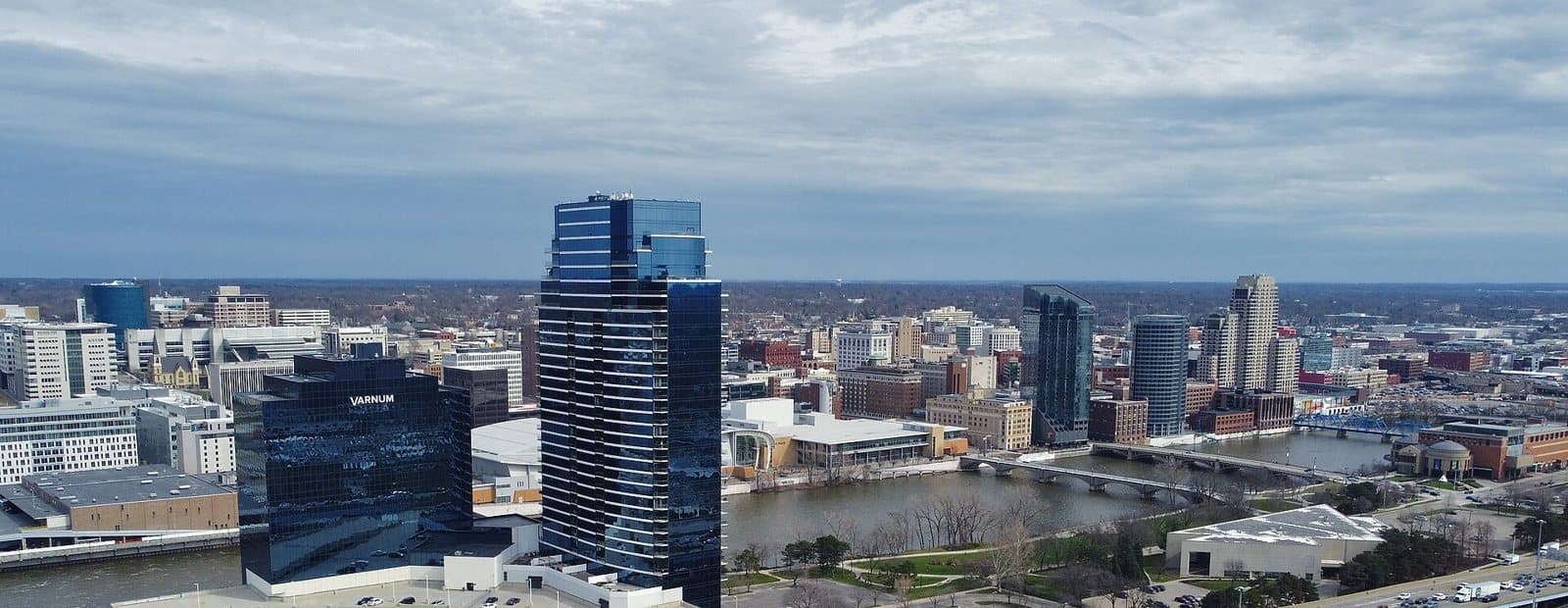
A Tale Of Two Economies: Detroit Slows While West Michigan Holds
The same month that pushed Detroit's unemployment higher found West Michigan manufacturers reporting surprisingly strong conditions. The state's economy is splitting in two.
 Finance & Economy
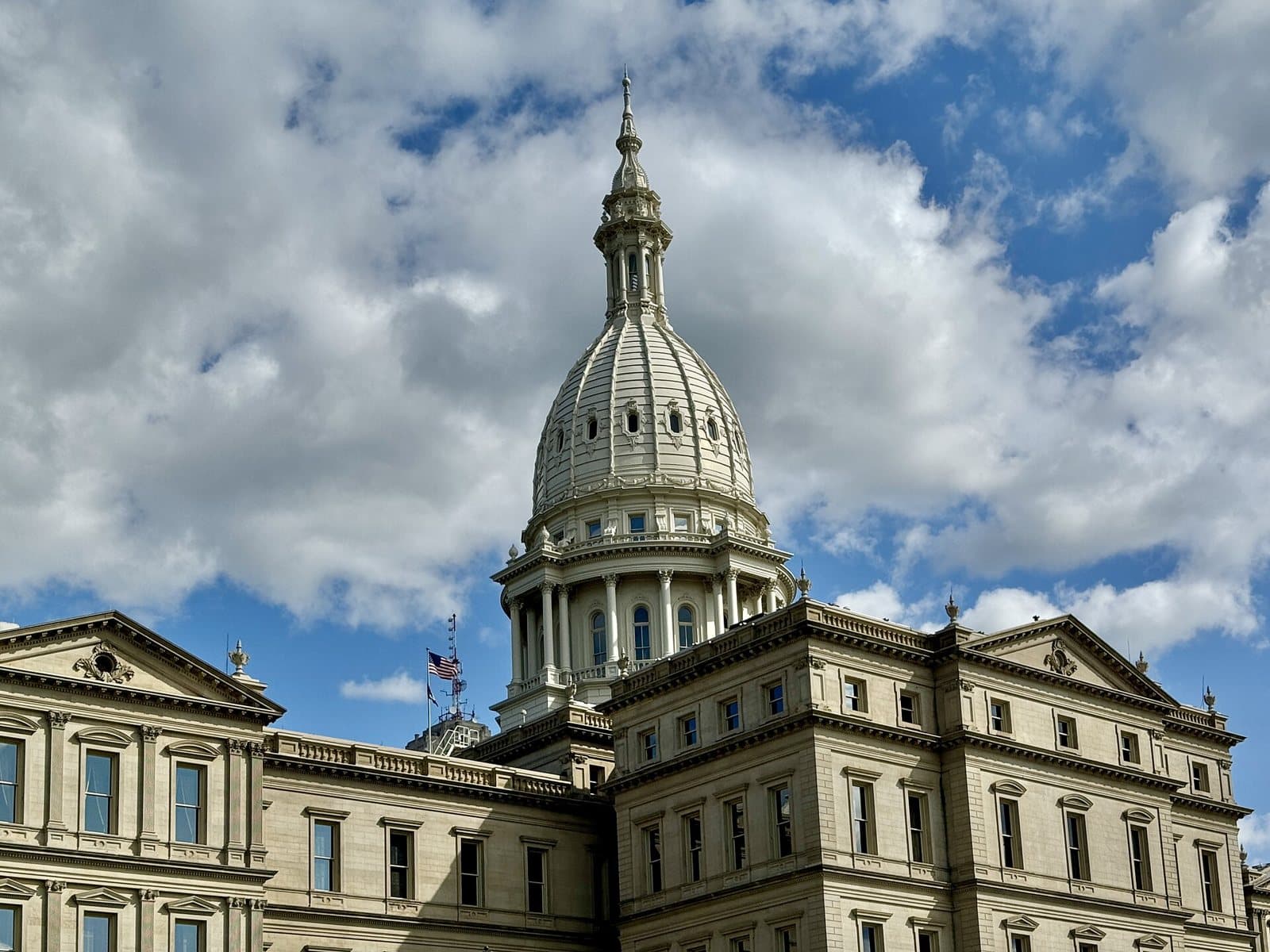
Michigan's Jobless Rate Climbs To 5.0% As Factories Shed Workers
New state data shows Michigan's unemployment rate ticked up in August, with manufacturing leading the losses and the Detroit region under the most pressure.