Metro Detroit's Main Streets Are Full Again — On A Knife's Edge

Storefront vacancies have fallen sharply across the suburbs, but the small businesses filling them are navigating costs that leave little room for error.
Drive down the commercial strips of Metro Detroit's older suburbs and the empty storefronts that defined the last decade are noticeably fewer. New restaurants, boutiques, and service shops have moved in. The revival is real — and, talk to the owners, remarkably precarious.
The good news
Foot traffic has returned to neighborhood business districts as remote and hybrid work keeps more people close to home during the week. That has been a lifeline for the independent retailers and cafes that depend on regulars rather than tourists.
"My weekday mornings used to be dead," said Ferndale cafe owner Sofia Marchetti. "Now they're my best hours." Districts that spent years chasing tenants are, for the first time in a while, fielding waitlists.
The margin problem
Underneath the fuller streets is a thinner cushion. Rising rents, higher wages, and volatile supply costs mean many of these businesses operate with almost no margin for a slow month. The storefronts are full, but the enterprises inside them are running a tighter race than the lively sidewalks suggest — one bad quarter from the vacancy signs returning.
More in Finance & Economy
 Finance & Economy
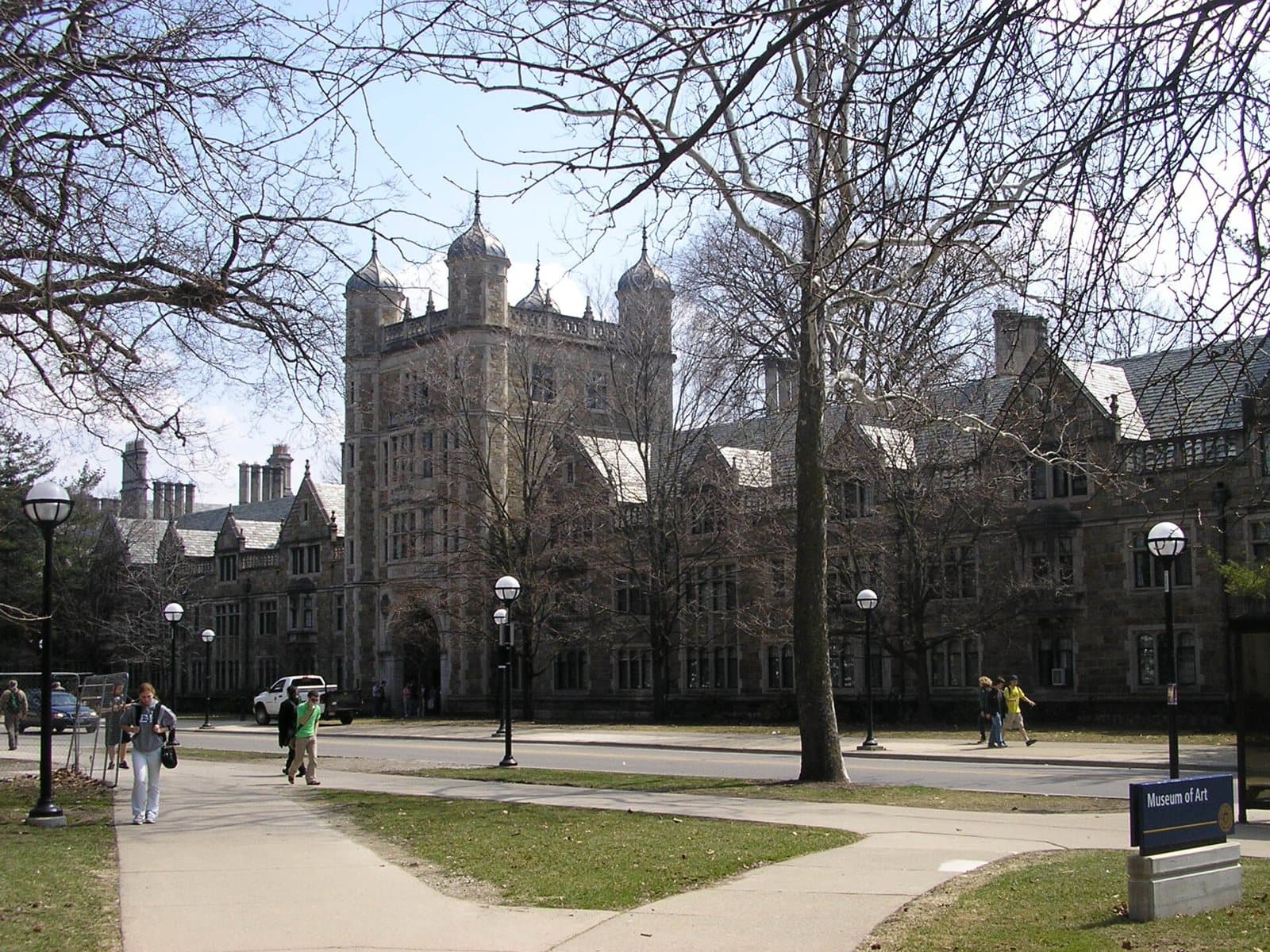
U-M Economists See A Flat Year For Michigan, Then A Rebound
The University of Michigan's latest forecast projects barely any job growth in 2026 and a shrinking factory sector — but a stronger 2027 ahead.
 Finance & Economy
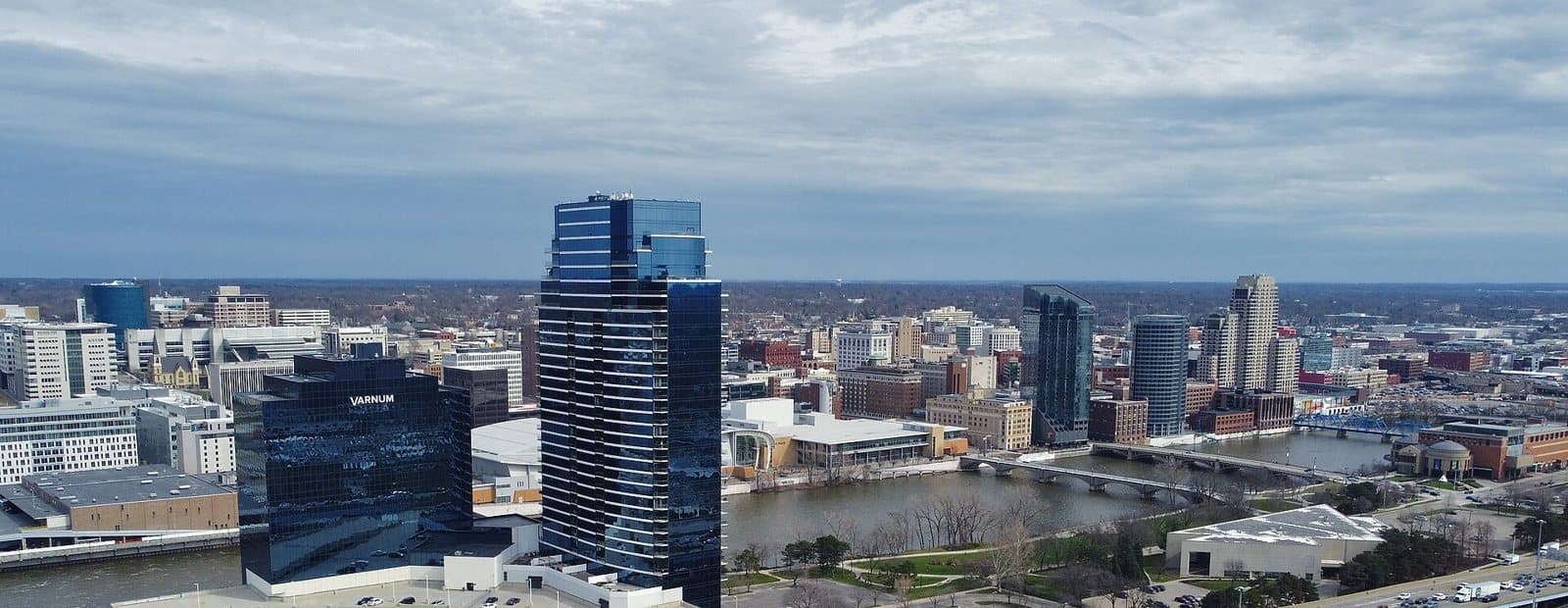
A Tale Of Two Economies: Detroit Slows While West Michigan Holds
The same month that pushed Detroit's unemployment higher found West Michigan manufacturers reporting surprisingly strong conditions. The state's economy is splitting in two.
 Finance & Economy
Michigan's Jobless Rate Climbs To 5.0% As Factories Shed Workers
New state data shows Michigan's unemployment rate ticked up in August, with manufacturing leading the losses and the Detroit region under the most pressure.