Auto-Supplier Stocks Are Whipsawing — And Michigan Feels Every Swing

The suppliers that keep Michigan employed are trading like tech stocks lately. The volatility says a lot about where the industry thinks it's headed.
The publicly traded companies that supply Michigan's automakers used to be the boring end of the market — steady, unglamorous, and predictable. Not anymore. This quarter their shares have swung with a violence usually reserved for speculative tech, and the whiplash is a window into an industry mid-transformation.
Betting on the transition
The volatility tracks a single question: which suppliers will still matter when the vehicle mix tips further toward electric? Firms with credible battery and electronics businesses have seen their valuations reward every hint of good news. Those still anchored to internal-combustion parts get punished on the same days.
"The market is trying to price a ten-year transition one earnings call at a time," said portfolio manager Elena Coste. "That's a recipe for exactly this kind of chop."
Why it matters here
For Michigan, these aren't abstract tickers. The companies whipsawing on the exchange are the same ones deciding where to build plants and whom to hire. A supplier that spends a quarter defending its stock price is a supplier thinking hard about costs — and in this state, cost decisions are job decisions.
More in Finance & Economy
 Finance & Economy
U-M Economists See A Flat Year For Michigan, Then A Rebound
The University of Michigan's latest forecast projects barely any job growth in 2026 and a shrinking factory sector — but a stronger 2027 ahead.
 Finance & Economy
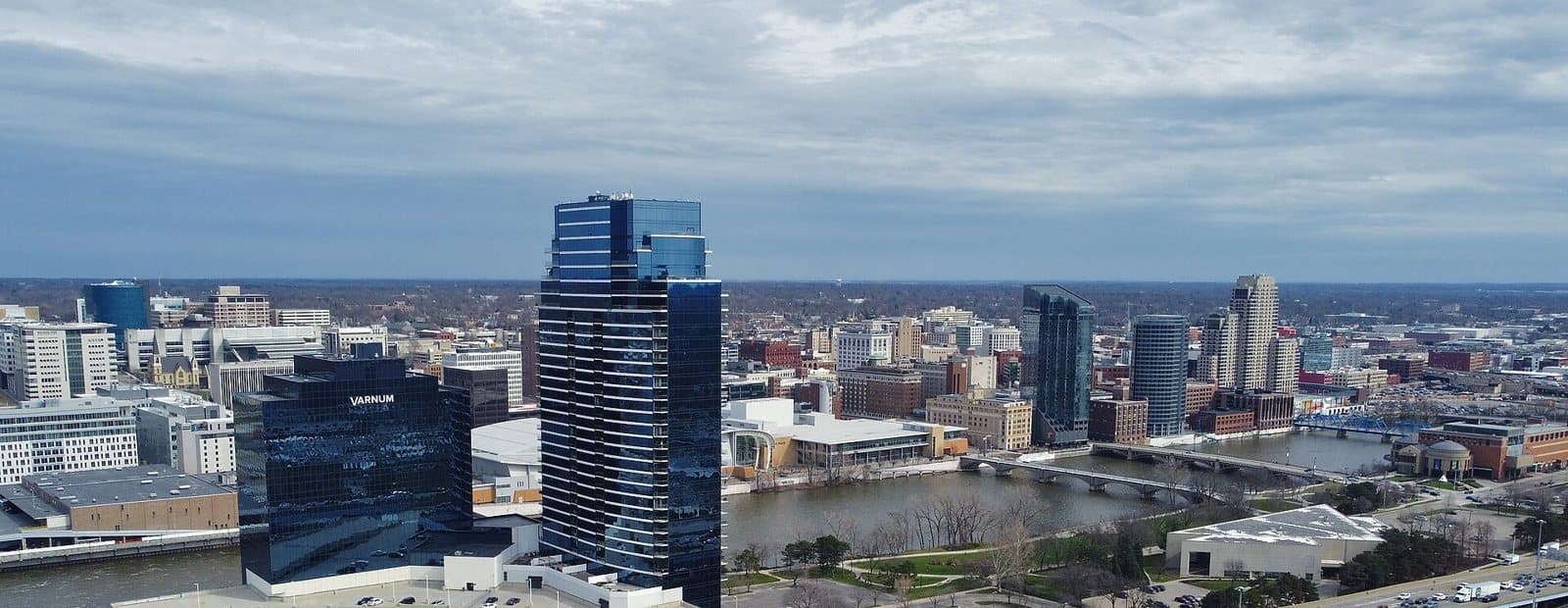
A Tale Of Two Economies: Detroit Slows While West Michigan Holds
The same month that pushed Detroit's unemployment higher found West Michigan manufacturers reporting surprisingly strong conditions. The state's economy is splitting in two.
 Finance & Economy
Michigan's Jobless Rate Climbs To 5.0% As Factories Shed Workers
New state data shows Michigan's unemployment rate ticked up in August, with manufacturing leading the losses and the Detroit region under the most pressure.